
London’s historic buildings carry their age in brickwork, stone, façades, roofs, windows and countless architectural details. Preserving those features requires a different approach from ordinary repair. Building conservation services focus on retaining significant building fabric while addressing deterioration with appropriate materials and methods.
For owners, architects, surveyors and managing agents considering building conservation in London, specialist knowledge matters. At Minerva Building Restoration, we have worked with historic and listed buildings, mansion blocks, commercial properties and other complex structures across London, combining conservation experience with practical project management.
What Are Building Conservation Services?
Building conservation is the careful maintenance and repair of buildings with architectural, historic or cultural significance. Rather than replacing ageing elements simply because they are old, conservation considers what can reasonably be retained, repaired and protected.
The work may involve traditional materials, sympathetic cleaning techniques and targeted repairs that respect the existing structure. The level of intervention should reflect the building’s materials, condition and significance.
Why Is Building Conservation Important in London?
London contains layers of architecture, from historic houses and mansion blocks to listed commercial buildings, churches, government properties and traditional brick and stone façades.
Age alone is not the only challenge. Pollution, moisture, weather exposure and years of previous repairs can gradually alter building fabric. Professional conservation helps address deterioration while retaining the features that give a property its identity.
Our own project history includes Central London mansion blocks, listed buildings, commercial properties and conservation-area projects.
Which Buildings Can Benefit From Conservation?
Conservation may be appropriate for:
- Listed and historic buildings
- Mansion blocks
- Churches and religious buildings
- Heritage residential properties
- Historic commercial premises
- Government and institutional buildings
- Traditional brick, stone, terracotta and faience buildings
There is no single treatment that suits every property. Historic building conservation should respond to the age of the structure, original materials, previous alterations, current defects and significance of individual features.
What Do Building Conservation Services Include?
Brick and Stone Conservation
Damaged masonry may require localised repairs, repointing or replacement of deteriorated material. We work with brick, stone, terracotta and faience, selecting repair methods suited to the existing fabric.
Stone and Brick Cleaning
Historic surfaces require careful cleaning. Depending on the building, we use methods including water cleaning, TORC and sympathetic DOFF cleaning. Our completed London projects show these methods being used on brickwork, Portland stone and other masonry surfaces.
Façade Conservation
Façade work may address cracking, deteriorated masonry, failed joints, weather damage and architectural detailing while maintaining the overall appearance of the elevation.
Roofing and External Repairs
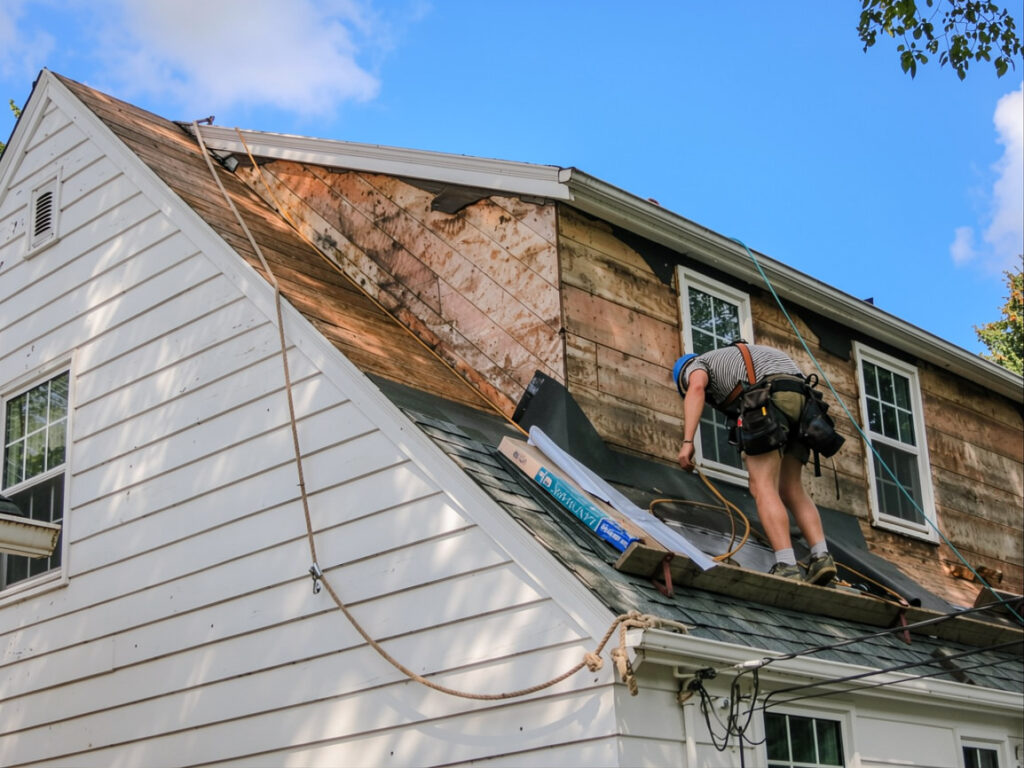
Our capabilities include slate, tile and asphalt roofing repairs, alongside suitable liquid-applied roofing systems and associated external refurbishment.
Internal Conservation and Refurbishment
Conservation can continue inside the property through carpentry, joinery, decoration, specialist coatings and sensitive internal refurbishment appropriate to the project.
Common Problems Affecting Historic Buildings in London
Historic properties commonly develop failed mortar, cracked masonry, deteriorated stone, damaged brickwork, roof defects, water penetration, biological growth and pollution staining. Previous repairs can also create complications when unsuitable materials or methods have been used.
Repairing what is visible is only part of the work. Understanding why deterioration occurred helps determine which intervention is appropriate and reduces the risk of repeatedly treating the symptom instead of the cause.
The Building Conservation Process
A conservation project will vary, but a typical process may include:
- Initial survey and condition assessment
- Identification of materials, defects and areas of concern
- Development of an appropriate conservation strategy
- Cleaning and preparation
- Masonry, façade, roofing or internal repairs
- Protective treatments where suitable
- Final inspection
- Planning for ongoing maintenance
We also work closely with architects, structural engineers, contractors and surveyors, allowing specialist input to be coordinated when a project requires it. Our surveying capability includes detailed reports and contract specifications.
Building Conservation for Listed Buildings
Listed building restoration needs particular care because changes may affect features of architectural or historic significance. Historic England states that listed building consent is required when alterations, extensions or demolition would affect a listed building’s special character. Requirements therefore depend on the specific property and proposed work.
We have experience delivering refurbishment and conservation work on listed buildings, including projects that required liaison with councils and conservation officers.
Benefits of Professional Building Conservation
Good conservation can preserve architectural character, extend the useful life of existing fabric and tackle deterioration before larger repairs become necessary. It also supports responsible maintenance by keeping historic materials and details central to decisions about the building.
For owners and managers, professional assessment creates a clearer basis for prioritising work instead of approaching each visible defect in isolation.
How to Choose Building Conservation Services in London
When comparing specialists for building conservation in London, look for evidence beyond general building experience. Ask about:
- Historic and listed building projects
- Brick and stone conservation knowledge
- Appropriate masonry-cleaning methods
- Traditional material experience
- Skilled site teams
- Surveying and project management
- Previous conservation and restoration work
A contractor should understand both the physical building and the additional care required when working with significant architectural fabric.
Why Work With Minerva Building Restoration?
Since our incorporation in 2004, we have specialised in building restoration, conservation and internal and external refurbishment. Our experience includes listed buildings, mansion blocks, commercial and industrial premises, government contracts and historic properties.
Our building conservation services cover brick and stone restoration, DOFF and TORC cleaning, façade work, roofing, joinery, internal refurbishment, surveying and project management. This breadth allows us to coordinate related works while keeping the condition and character of the building at the centre of the project.
FAQs
What are building conservation services?
They are specialist works focused on maintaining, repairing and protecting significant building fabric while respecting the property’s existing materials and architectural character.
Why is building conservation important in London?
London has an extensive stock of historic, listed and architecturally distinctive buildings that require appropriate maintenance to manage ageing and deterioration.
What types of buildings require conservation?
Listed buildings, historic homes, mansion blocks, churches, commercial properties, institutional buildings and traditional masonry structures may all benefit from conservation work.
Can listed buildings be repaired and refurbished?
Yes, but the building’s listed status and proposed work must be considered carefully. Some changes require listed building consent, so project-specific advice should be obtained before work begins.
What is the difference between conservation and restoration?
Conservation prioritises protecting and retaining significant existing fabric. Restoration may involve returning damaged or altered elements closer to an earlier form or condition.
How long does a conservation project take?
Timescales depend on the building, access, condition, scope, specialist materials, approvals where applicable and coordination with other professionals.
Protecting the Character of London’s Buildings
Historic buildings need repairs that respond to their materials, age and significance rather than a standard refurbishment formula. Professional building conservation services provide the assessment and specialist workmanship needed to address deterioration while respecting original character.
If you are planning building conservation in London, speak with our team at Minerva Building Restoration. We work with property owners, architects, surveyors and managing agents to assess conservation requirements and develop an appropriate approach for the building.