
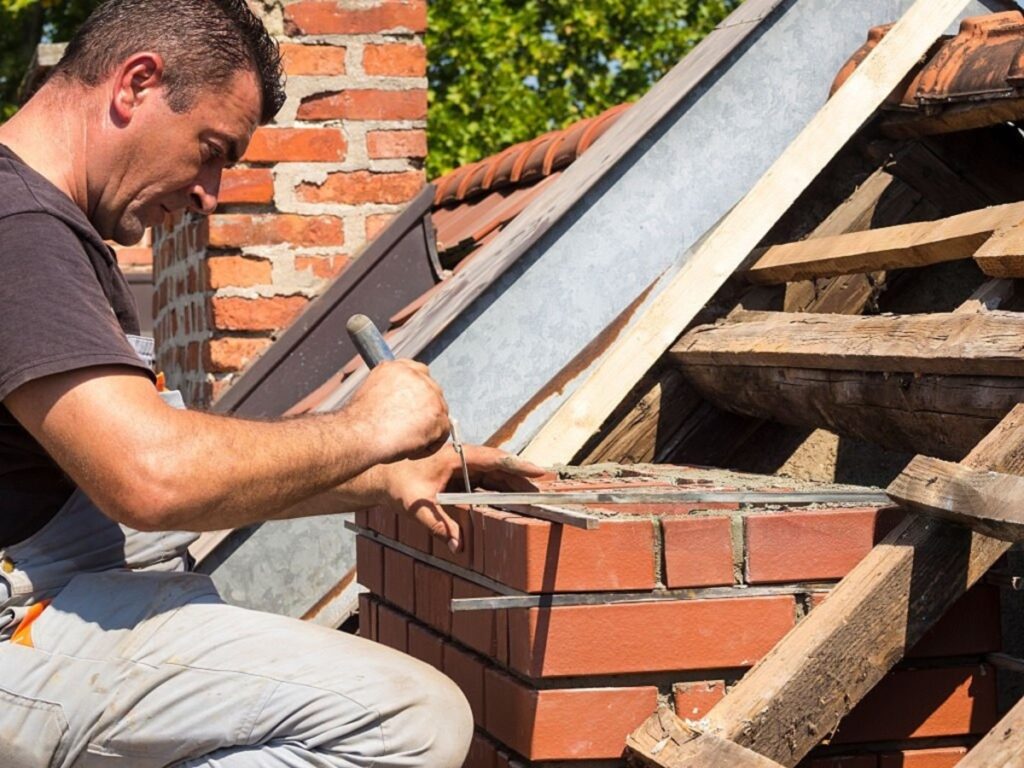
Older buildings carry evidence of the people, materials, skills, and architectural choices that shaped them. In London, this is especially clear in mansion blocks, listed buildings, historic façades, commercial buildings, and long-standing residential properties. Brickwork, stone details, and terracotta dressings are part of the building’s identity.
At Minerva Building Restoration Limited, we work with these materials across internal and external refurbishment projects, often on occupied mansion blocks and heritage properties. Our role is not simply to repair visible damage. It is to protect the character of the building while making sure the fabric remains sound, serviceable, and carefully maintained.
Why Material Knowledge Matters
Brick, stone, and terracotta age differently. They also respond differently to weather, pollution, movement, previous repairs, and cleaning methods. A repair approach that works on one material may damage another. This is why specialist knowledge is essential when working on older buildings.
Historic brickwork may need careful cleaning, repointing, replacement, or localised repairs. Natural stone may require indent repairs, surface cleaning, consolidation, or replacement sections matched to the original material. Terracotta / Faience can be more complex, especially where decorative units, glazed surfaces, or repeated moulded elements are involved.
A general refurbishment approach can miss these differences. Proper restoration starts with understanding what the building is made from and how each material has performed over time.
Protecting the Original Appearance
The character of an older building is often found in small details: brick colour, joint profile, stone dressings, window surrounds, cornices, decorative terracotta / faience , and the rhythm of the façade. If repairs are too harsh, too modern in appearance, or poorly matched, the building can quickly lose its visual integrity.
This is especially important for listed buildings and mansion blocks, where consistency across the elevation matters. A single poor repair can stand out sharply against original work. Overcleaning can strip away age and texture. Inappropriate pointing can change the look of the brickwork and affect how moisture moves through the wall.
Our approach is based on controlled repair and careful matching. The aim is to improve the condition of the building without making the intervention visually intrusive.
Brick Cleaning Requires Care, Not Force
Many clients contact a brick cleaning company because the façade has become darkened by pollution, staining, algae, paint residue, or years of exposure. Brick cleaning can make a major difference, but it must be handled with caution on older buildings.
Aggressive cleaning can damage the face of the brick, open the surface, disturb mortar joints, and permanently alter the appearance of the elevation. The method should be selected according to the brick type, condition, staining, mortar, and building age.
At Minerva, we understand that cleaning is part of conservation and only use sympathetic cleaning systems such as Doff / Steam. The work must respect the existing fabric and the long-term condition of the property.
Stone and Terracotta Repairs Need Technical Control
Stone and terracotta are often used to define the architectural quality of historic buildings. They may frame entrances, windows, string courses, balconies, parapets, and decorative features. When these elements become cracked, stained, loose, eroded, or poorly repaired, the building can lose both strength and character.
Stone restoration may involve careful cleaning, mortar repairs, pinning, replacement, or repair mortar where appropriate. Terracotta work can require detailed assessment, especially if units are cracked, displaced, or affected by previous repairs. In both cases, the repair must be technically suitable and visually controlled.
The quality of the repair affects the whole façade. It also affects how surveyors, managing agents, architects, residents, and building owners view the standard of the work.
Conservation Is Also Project Management
Building conservation services require a thorough approach. On many of our projects, the work takes place on occupied mansion blocks, residential buildings, commercial units, government properties, or sites with strict access and programme requirements.
This means planning matters. Access, scaffolding, resident communication, site management, sequencing, health and safety, cost control, and quality checks all have to be managed properly. A well-executed restoration project should reduce disruption while still meeting the technical requirements of the building.
Minerva has extensive experience managing contracts ranging from smaller repair works to large-scale restoration projects. Our management team works both on and off-site to keep standards consistent from inspection through completion.
Preserving Value Through Specialist Work
Older buildings need investment, but that investment must be directed correctly. Poor repairs can create new problems, increase future costs, and reduce the quality of the building’s appearance. Specialist restoration helps protect both the physical fabric and the long-term value of the property.
For building surveyors, managing agents, architects, consultants, and property owners, the right contractor brings confidence. The work must be technically informed, properly managed, and completed to a high standard.
Speak to Minerva Building Restoration Limited
Minerva Building Restoration Limited provides specialist restoration, refurbishment, brick cleaning, and building conservation services for listed buildings, mansion blocks, historic properties, commercial units, industrial units, and government contracts.
If your building requires careful brick, stone, or terracotta / faience restoration, contact Minerva today to discuss the project requirements and arrange professional support from an experienced restoration contractor.