
Renovating a listed building usually requires more planning and specialist care than work on a standard property. Historic materials, original architectural features, traditional construction methods and consent requirements all influence how the project needs to be approached.
There is also no reliable standard price. The condition and size of the property, extent of the repairs, access requirements and materials involved can change the scope considerably.
A listed building restoration project might involve anything from localised masonry or window repairs to complete roofing, façade and interior refurbishment. The most useful starting point is therefore a proper assessment of the building rather than a generic renovation estimate.
How Much Does It Cost to Renovate a Listed Building?
There is no single fixed cost for renovating a listed building. The price depends on the building itself and the amount and type of work required. A listed building restoration cost will usually be influenced by:
- Property size
- Existing building condition
- Structural repairs
- Historic features requiring conservation
- Specialist materials
- Skilled trades
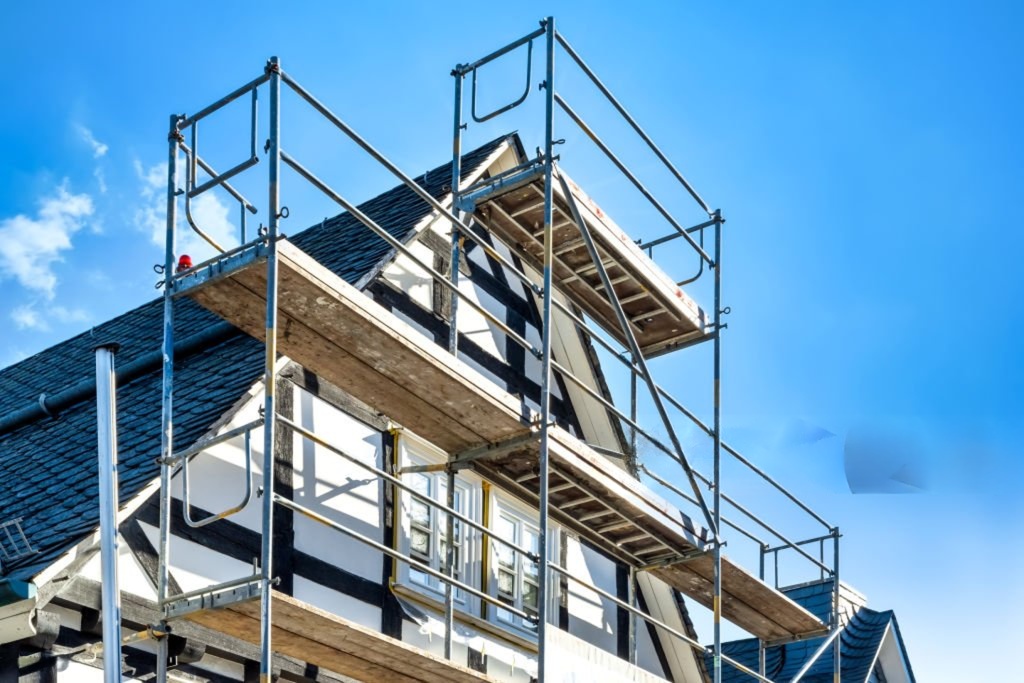
- Scaffolding and access
- Roofing, masonry, windows and timber work
- Permissions and project requirements
A relatively sound property needing limited repairs will naturally have a different listed building renovation cost from a building with extensive water damage, deteriorating masonry, roofing problems and decayed timber.
A detailed survey and defined scope of works provide a much stronger basis for budgeting than an average price.
What Affects the Cost of Listed Building Restoration?
The main cost factors are the building’s condition, scale, materials and the specialist work needed to preserve its historic character.
Hidden deterioration is particularly important. Water ingress, failed pointing, damaged stone or brickwork, rotten timber and roof defects may only become fully clear once the building has been closely inspected.
Size also affects labour, material quantities and access. A large façade, multiple sash windows or a complicated roof structure requires more time than a small local repair.
Listed building restoration may also require traditional slate, leadwork, lime-based materials, matching masonry, timber repairs, bespoke joinery or specialist plasterwork. These tasks often require craftspeople familiar with older construction rather than standard replacement methods.
Is Renovating a Listed Building More Expensive?
It can be more expensive than renovating a comparable unlisted property because historic buildings may require specialist labour, traditional materials and additional planning.
Original windows, timber, stonework, plaster and roofing details may need to be carefully repaired instead of simply removed. Where replacement is appropriate, the new work may need to match the existing material, profile or appearance.
Permissions can also affect the programme. More time may be needed to develop proposals, agree suitable methods and obtain the necessary approvals before relevant work begins.
This does not mean every listed property automatically becomes an extremely expensive project. Early investigation and careful planning help establish what genuinely needs attention.
Do You Need Listed Building Consent to Renovate?
Listed Building Consent is required for work that alters, extends or demolishes a listed building in a way that affects its special architectural or historic interest.
It is separate from ordinary planning permission. Depending on the proposed work, a project may require Listed Building Consent, planning permission, both, or neither.
Historic England recommends speaking with the local planning authority or conservation officer before work begins if there is uncertainty. It also confirms that carrying out work requiring Listed Building Consent without obtaining it is a criminal offence.
The requirement may apply to internal as well as external work, including changes to windows and other features that contribute to the significance of the building.
What Work Is Included in Listed Building Restoration?
Listed building restoration may include repairs to the exterior, interior, and individual historic features, depending on the property’s condition. Typical work includes:
- Brickwork and masonry repairs
- Repointing
- Stone repairs
- Slate roofing
- Leadwork
- Sash window restoration
- Timber repairs
- Bespoke joinery
- Flooring and plasterwork
- Façade refurbishment
- Restoration of decorative features
Historic building restoration is generally about preserving significant existing fabric while repairing deterioration and making the building practical for continued use.
Heritage building restoration may also combine traditional building methods with carefully considered modern improvements. Minerva’s listed-building work includes façade restoration, roofing, leadwork, timber restoration, sash windows, bespoke joinery and interior refurbishment.
How Can You Control the Cost of a Listed Building Renovation?
The best way to control costs is to understand the condition of the property before committing to the full programme of work. Useful steps include:
- Arrange a detailed inspection early.
- Identify structural defects and water ingress.
- Confirm consent requirements before work begins.
- Prioritise repairs that protect the building fabric.
- Use materials suited to the original construction.
- Coordinate related work to avoid repeated scaffolding or access costs.
- Work with experienced restoration specialists.
- Allow a reasonable contingency for hidden defects.
Unexpected conditions are common in older buildings. Opening up a roof, wall or timber element may reveal deterioration that was not visible during an initial inspection. A realistic contingency gives the project room to deal with those findings without disrupting the entire budget.
How Long Does Listed Building Restoration Take?
There is no standard timeline. The programme depends on the building’s size, condition, scope of work, permissions, access arrangements and the availability of specialist trades and materials.
A focused external repair programme may be relatively straightforward. A project combining structural repairs, roofing, windows, masonry and internal refurbishment may need several phases.
Consent and specialist procurement should also be allowed for. Bespoke joinery, matching masonry and traditional roofing materials may have longer lead times than standard building products.
The programme should therefore be developed around the real scope of the property rather than an arbitrary completion date.
Why Choose a Specialist Listed Building Restoration Contractor?
A specialist contractor understands how historic materials and construction methods affect the way repairs should be carried out. A listed building restoration contractor should have experience with:
- Traditional materials and repair methods
- Historic façades and masonry
- Timber and sash windows
- Roofing and leadwork
- Protection of original features
- Complex access requirements
- Coordination with consultants and conservation requirements
Minerva Building Restoration works on listed and historic properties across London. Its completed Grade II projects include traditional slate and leadwork, sash-window and timber repairs, masonry work, bespoke joinery and internal refurbishment.
Working with an experienced historic building restoration contractor also helps keep different trades coordinated when one repair affects another part of the building.
FAQ
How much does it cost to renovate a listed building?
There is no standard price. Costs depend on property size, condition, repair requirements, specialist materials, access, labour and any permissions involved.
Is renovating a listed building more expensive?
It can be. Traditional materials, specialist craftsmanship and conservation requirements may make some work more expensive than a comparable standard renovation.
Do you need Listed Building Consent to renovate?
You need consent when proposed alterations, extensions or demolition affect the building’s special architectural or historic interest. Check with the local planning authority before starting relevant work.
Can you modernise a listed building?
Yes, modernisation may be possible. Proposed changes still need to respect the building’s historic significance and may require Listed Building Consent or planning permission.
Can you replace windows in a listed building?
Sometimes. Replacement may require consent, and the proposed material, design and detailing may need to protect the building’s character. Repair may be appropriate where original windows can be retained.
How long does listed building restoration take?
The timeline depends on the building’s size and condition, scope of work, permissions, access, specialist labour and material lead times.
What does listed building restoration include?
It may include masonry, roofing, leadwork, sash-window repairs, timber work, joinery, plasterwork, flooring, façade repairs and restoration of historic architectural details.
Planning a Listed Building Restoration Project?
The cost of restoring a listed building depends on what the property actually needs. Condition, access, historic materials, permissions, specialist repairs and craftsmanship all influence the final scope.
At Minerva Building Restoration, we undertake listed building restoration across London, combining conservation experience with practical external and internal refurbishment expertise.
If you are considering work to a listed or historic property, contact us at Minerva Building Restoration to discuss the building, proposed repairs, and the most appropriate next steps for the project.